
REFEREES
Officiating water polo requires more than knowing the rules. It requires reading the game, understanding advantage, and making decisions in real time.
This page is built to help referees see plays more clearly and apply the rules with confidence.
Game situations, calls, and rules applications.
Read the Game. Apply the Rules.
This page is built for referees who want to see the game more clearly in real time.
You’ll find game situations, common calls, and examples that focus on advantage, positioning, and play development. Use these clips to sharpen recognition, reinforce consistency, and improve decision-making under live game conditions.
What This Site Focuses On
Chad Talks Water Polo focuses on how referees read the game, not just how they memorize the rules.
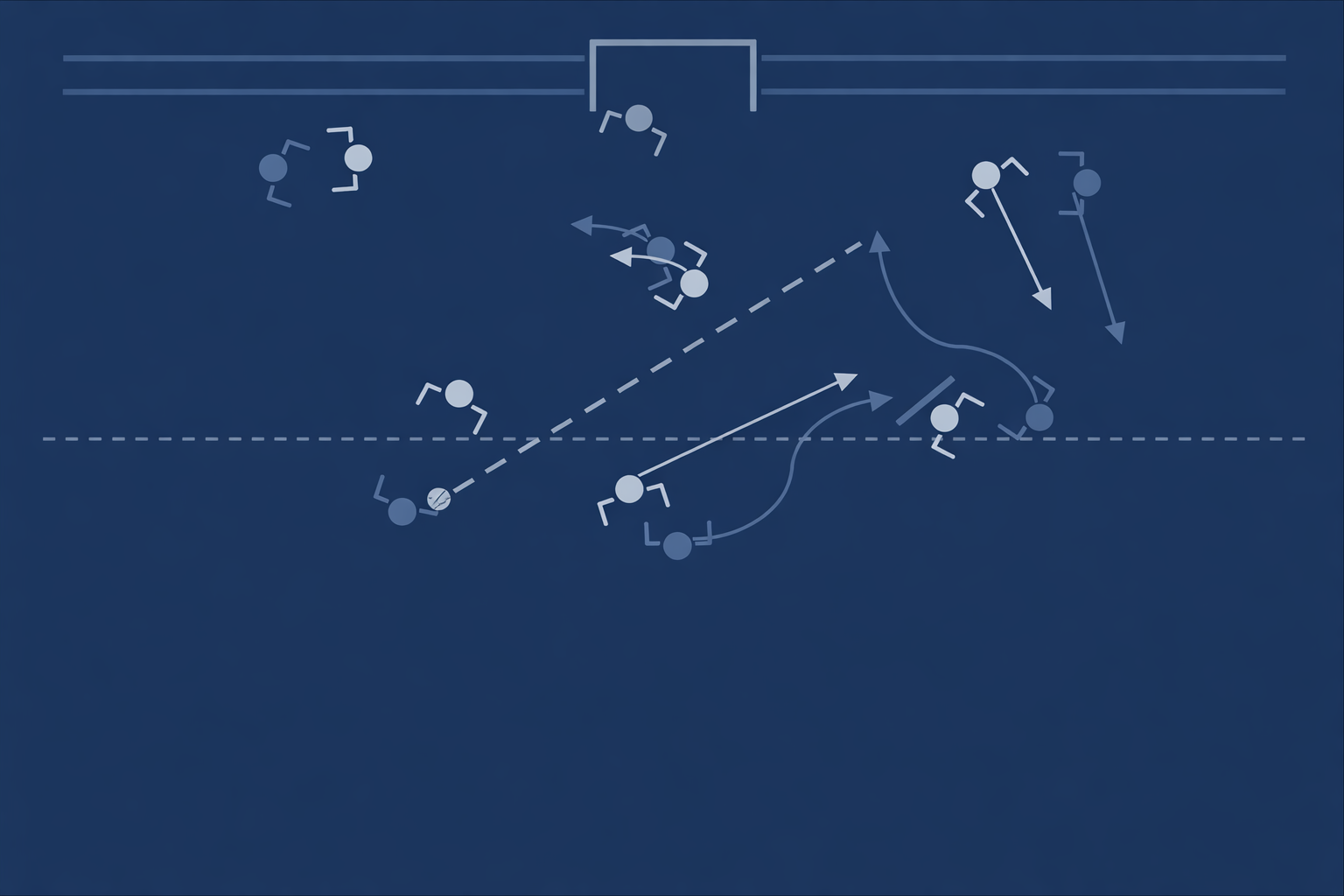
The emphasis is on advantage, positioning, anticipation, and understanding what is developing so we can whistle the play as it applies to the game.
You won’t find exhaustive rule citations or mechanic checklists here. Instead, you’ll see real-game examples designed to sharpen recognition, judgment, and consistency.
This material is intended to complement formal training, evaluations, and governing body instruction; this does no replace them.

Common Game Themes
While rules define what is legal and illegal, games are decided by patterns that repeat themselves. These themes show up across levels, systems, and styles of play, and recognizing them early is what separates reaction from anticipation.

Advantage vs. Interruption
Knowing when a whistle helps the game and when it takes something away.
What happens next
Officials are reading the next pass, the next drive, or the next scoring opportunity.
Off-Ball Awareness
The most important action is often away from the ball, especially as play develops.
Timing of the whistle
The same contact can mean different things when it occurs within the play.
Consistency is about managing rhythm, fairness, and safety throughout the game.
Game Flow and Control
Explore More

Real-game clips organized by call type and game situation.

Build instinct and consistency by judging real plays as they unfold.

Structured referee education through lessons, PDFs, and game concepts.